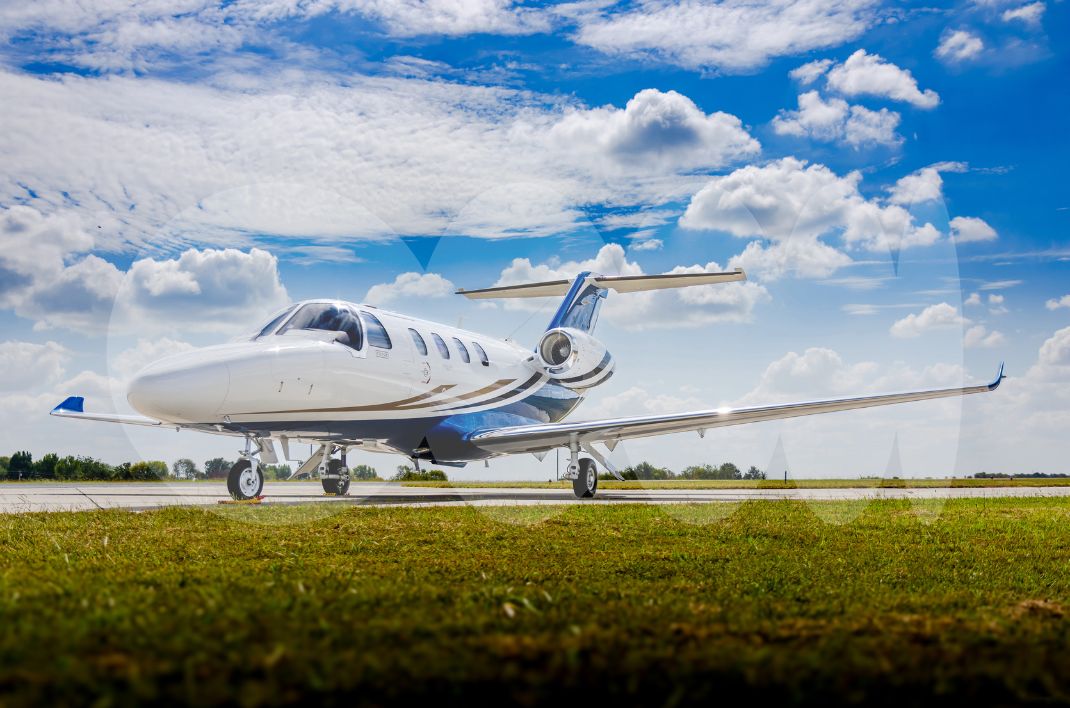
The Citation Ascend Has Arrived: The Next Evolution of the 560XL
Textron Aviation has officially begun deliveries of the Citation Ascend, marking a major improvement to the Citation XL lineage that began nearly three decades ago. For operators who have built their flight departments around the XL platform, this aircraft represents more than a product update — it’s the modernization of one of business aviation’s most trusted airframes.
I’ve spent the past nine years at jetAVIVA living and breathing the XL Series market; tracking values, advising owners through upgrades, watching buying patterns, and helping operators transition from one generation of this aircraft to the next. So when Textron says this airplane is different, I can tell you firsthand: they’re right.
To understand the Ascend, you have to understand the lineage.
The XL Series began in 1998 with the original Citation Excel, followed by the XLS (2004), XLS+ (2008), and most recently the XLS Gen2 (2022). Each iteration refined a formula that owners loved: midsize cabin comfort, light-jet economics, and exceptional runway performance. The Ascend is the first time Textron truly moved the platform forward in a generational way. That’s probably why they didn’t call it the XLS Gen3.
Deliveries began in January 2026, about a year later than originally expected, and pricing has moved from the low $17Ms at announcement into the $19M range today. Given what’s changed, the market reception so far makes sense.
This Is Still an XL… But It’s Not the Same Airplane
The magic of the XL platform has always been balance. Owners love it because it doesn’t over-specialize; it just does everything well – like a trusty Swiss Army Knife.
Textron kept that DNA. What they changed is the technology, systems, and cabin experience.
The major generational upgrades:
- Garmin G5000 flight deck
- Pratt & Whitney PW545D engines with higher TBOs
- Autothrottles
- Flat-floor cabin option
- Larger cabin windows
- Higher weights and payload
- Quieter cabin
- Same avionics platform as the Latitude and Longitude
From a market perspective, that last point is a big deal. Aligning the Ascend with Textron’s current avionics ecosystem matters for training, fleet commonality, and long-term desirability.
Performance: More Capability, Same Mission DNA
Textron didn’t try to turn the Ascend into a different category airplane — they improved the mission the XL has always owned.
| XLS Gen2 | Ascend | |
|---|---|---|
| MTOW | 20,200 lbs | 20,500 lbs |
| MZFW | 15,100 lbs | 15,500 lbs |
| Max Payload | 2,240 lbs | 2,390 lbs |
| NBAA IFR Range (4 pax) | 1,858 nm | 1,940 nm |
| Max Cruise | 441 KTAS | 441 KTAS |
While takeoff distance increases to about 3,800 feet, in exchange you gain more payload capability and nearly 80 nm of additional range. That’s a fair trade in real-world operations.
The move to the PW545D engines is one of the quieter but most important changes:
- Increased thrust
- Better efficiency
- Autothrottles
- 6,000-hour TBO (up from 5,000)
That extended TBO will matter to owners looking at long-term engine program math.
The Flight Deck: The Upgrade the Market Has Wanted for Years
For a long time, the XL market wanted the Garmin G5000. Now it’s here straight from the factory. This is arguably the most significant change in the Ascend and a major factor for future resale strength.
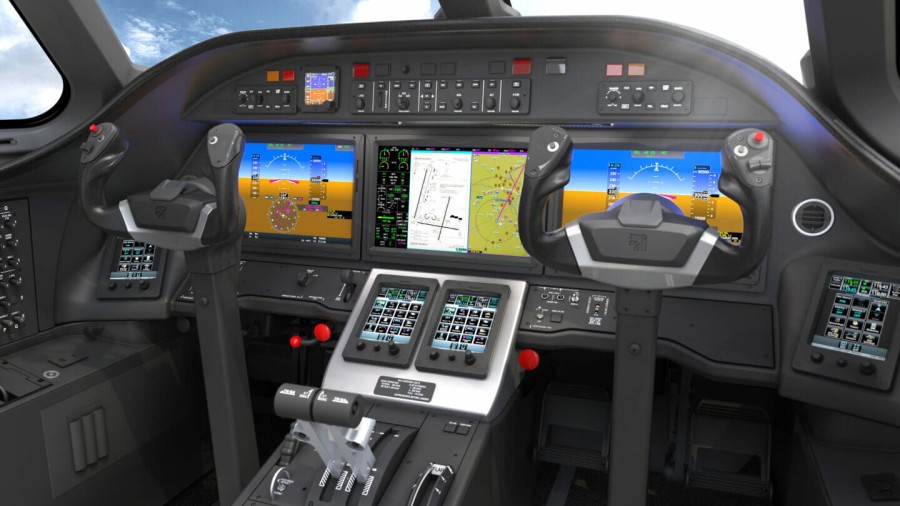
You now get:
- Three 14-inch displays
- Four touchscreen controllers
- Synthetic Vision
- Digital autopilot
- Fully integrated avionics environment
And importantly, the Ascend uses the same avionics platform as the Citation Latitude and Longitude. For flight departments operating multiple Citations, that commonality simplifies training and operations. This cockpit moves the airplane into a different technology tier than legacy XL aircraft.
Options to further expand capability:
- Category II approaches
- RNP AR
- FANS / CPDLC
- Garmin SurfaceWatch
- ROAAS
- Predictive windshear
- HF
- ICAO-compliant FDR
The Cabin Debate: Flat Floor vs. Dropped Aisle
This is the feature I’m most interested in watching from a market standpoint. For the first time, buyers can choose a flat-floor cabin instead of the signature dropped aisle. The dropped aisle provides about 8 extra inches of standing height while walking. But realistically, passengers are seated most of the flight.
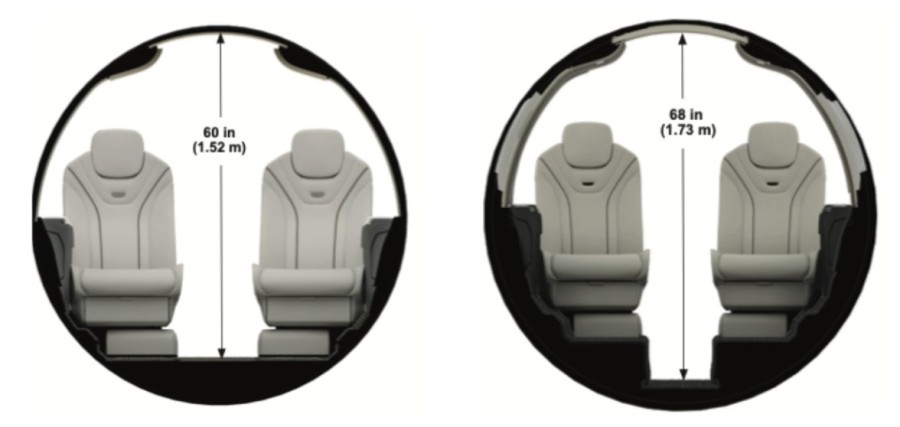
That’s why early buyer sentiment seems to lean toward the flat floor — it feels more modern, more residential, and works better for families, pets, and overall cabin flow. Still, I wouldn’t be surprised if 25% or more retain the dropped aisle. Many XL owners are repeat buyers who are comfortable with the traditional layout.
Other cabin enhancements:
- Windows are 15% larger
- Noticeably quieter interior
- Wireless charging in side-ledges
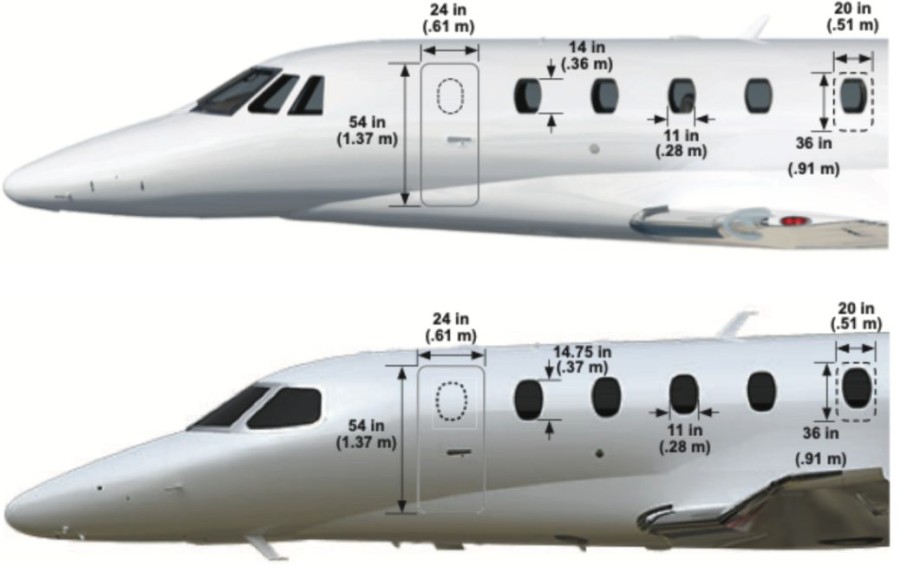
The overall impression is that the XL cabin matured.
Other optional upgrades include Wi-Fi (AVANCE L3 is standard), lighted window rings, stone finishes (galley and lav counters; entry/lav floors), and advanced seating options (like integrated footrests) further modernize the interior.
Exterior & Airframe
Visually, the Ascend stays true to the XL look while subtly modernizing the design. It’s recognizable as an XL descendant — just more refined.
- Slight wingspan change
- Slight tail height increase
- Cockpit side window design
- Same entry door dimensions
- Fuel capacity unchanged
The Bottom Line
After nearly a decade watching this segment closely, I can say this confidently: calling this an XLS Gen3 would have undersold it.
With the introduction of the G5000, new engines, autothrottles, a redesigned cabin, and avionics platform commonality with the Latitude and Longitude, this represents a generational shift rather than a minor iteration.
The XL platform has one of the most loyal owner bases in business aviation. Many Ascend buyers will be on their second, third, or fourth XL-family aircraft. Textron modernized the airplane without changing why owners love it.
From where I sit in the market, the Ascend doesn’t replace the XL legacy — it extends it for another generation. And for those of us who have lived in this segment for years, it’s one of the most interesting shifts we’ve seen.