PW617F1-E: The Phenom 100 Upgrade Is Here
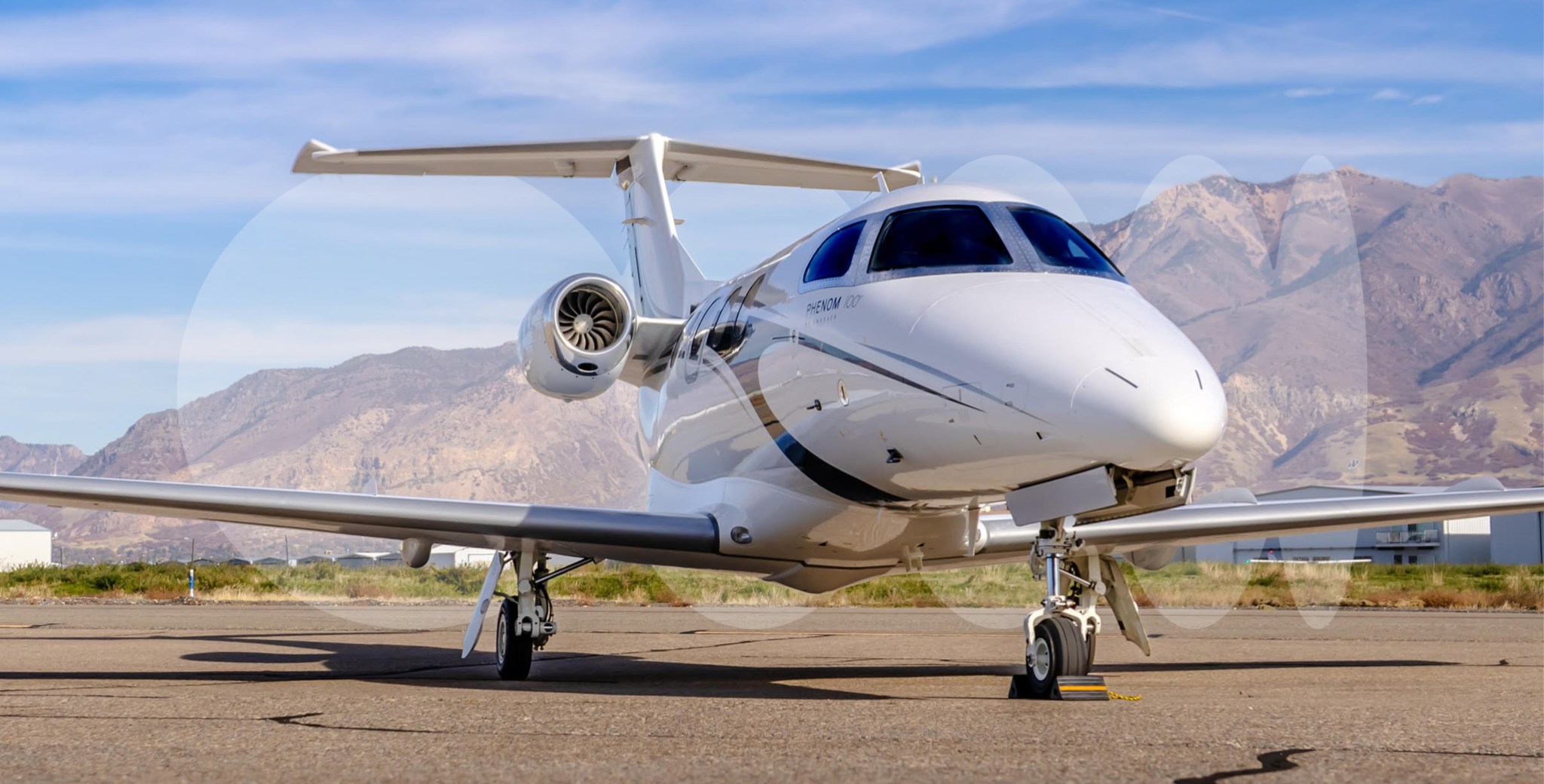
If you’ve spent any time around the Embraer Phenom 100 community lately, you’ve probably heard the buzz around the PW617F1-E engine upgrade. What started as forum speculation has officially crossed into a real world upgrade and the early feedback is pretty eye-opening.
First things first: this isn’t just a software tweak. The upgrade brings a new engine designation (PW617F1-E), which means you’re dealing with hardware-level change. Practically speaking, that translates to a single, fairly involved downtime event. How painful that is depends on your airplane, specifically which service bulletins you’ve already complied with and where your engines are in their lifecycle. In other words, no two upgrades are going to look exactly the same from a cost or downtime perspective.
Now for the fun part: performance.
The headline number everyone latches onto is the bump in max takeoff weight (MTOW) to 10,700 pounds. That alone is meaningful, but where things really get interesting is in “hot and high” capability. Real-world data shows you can launch at MTOW from 6,000 feet elevation on a 25°C day using just 7,616 feet of runway. For anyone operating out west, or in the summer, that’s a pretty big deal.
Climb performance backs it up. Book numbers call for FL410 in 26 minutes burning around 451 pounds of fuel, and early reports indicate this is accurate. Even with some time spent down low, the airplane is getting there on schedule, holding solid climb speeds (think 200+ KIAS and Mach 0.55 or better most of the way up). It still softens a bit near the top, as you’d expect, but overall, it’s a noticeable step up.
But here’s where it gets interesting: cruise.
If you’re used to “working” to get performance out of a legacy Phenom 100, this flips the script. At FL370–380, the airplane isn’t struggling to go fast, it’s trying to go too fast. Pilots are reporting that they’re bumping right up against MMO (Max Mach Operating) and actually having to pull power back to keep things in check. In some cases, max cruise thrust just isn’t usable for long stretches because you’ll overspeed. There are some nice secondary benefits too. Flaps 2 has a much broader operating range now, giving you more flexibility on takeoff, especially at higher weights and temperatures.
So what’s the catch? Cost is still the big variable. If you time the upgrade with engine overhaul, it’s a lot easier to justify. If you don’t, it can get expensive. That’s why most owners seriously considering this are lining it up with scheduled maintenance.
Bottom line: this upgrade delivers. Not in a subtle way, either. It meaningfully changes how the airplane performs and even how you fly it. The Phenom 100 has always been a solid, predictable platform, but with the F1-E upgrade, it starts to feel like something closer to an “EV-lite”. And once these start to hit the market, don’t be surprised if upgraded airplanes start separating themselves in a big way.